Your roof is 15 years old, the shingles look tired, and three companies have told you three different things. This guide gives you the same checklist we use on our own inspections — so you can make the call with actual information instead of sales pressure.
Asphalt shingles are made of a fibreglass mat coated in asphalt, then topped with granules. Three things fail over time, and they fail at different rates.
The granules wear away from weather and foot traffic. This is the visible surface — when you see bare dark patches or find grit in your gutters, that's granule loss.
The asphalt dries out and oxidises. This is the real culprit in most Fraser Valley roofs. Heat and UV bake the oils out of the asphalt, making shingles brittle. Brittle shingles crack, curl, and stop shedding water properly.
The decking underneath rots when water gets past the shingles. This is where things get genuinely expensive.
Here's the key insight most homeowners never hear: granule loss and dried asphalt are surface problems. Deck rot is a structural problem. Surface problems can be treated. Structural problems cannot. That distinction is the entire basis for deciding.
Walk outside and check these yourself. If you can honestly tick the first five, rejuvenation is very likely an option for you.
Curling, clawing and lifted edges mean the asphalt has lost its flexibility — a classic sign of a roof that rejuvenation can help, as long as the shingles aren't actually broken.
Some granule loss on the south-facing slope is normal. Widespread bare patches down to the black mat across multiple planes is a much stronger case for replacement.
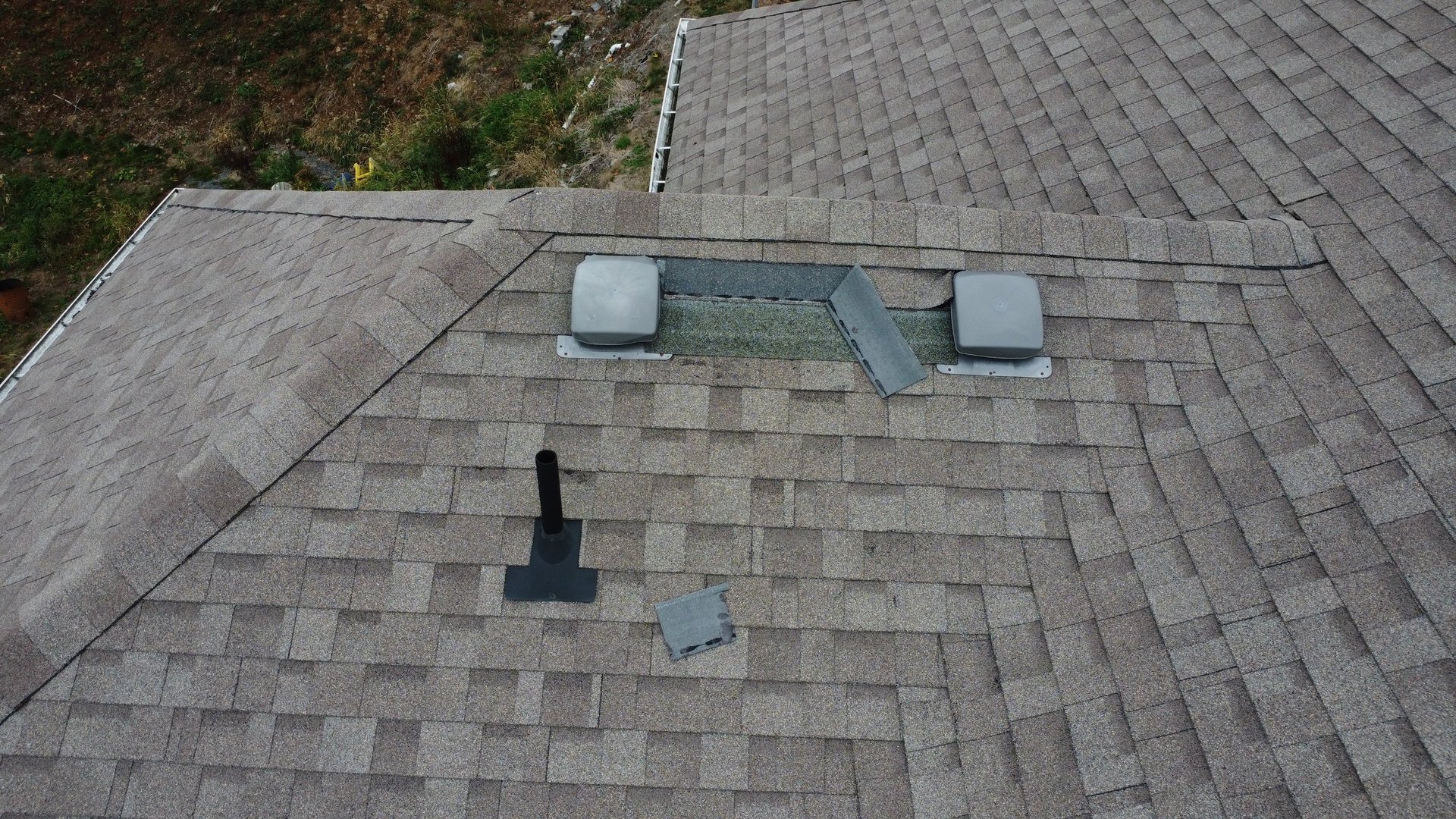
One isolated leak from a failed flashing around a vent or chimney is a repair, not a replacement. Multiple leaks in different areas usually point to a roof that's finished.
This is the sweet spot. The shingles have dried out but haven't physically disintegrated — exactly the condition GoNano™ is designed for.
Soft, spongy spots mean rot. This is the one thing that rules out rejuvenation — you cannot seal a roof with a failing substrate, and we won't try.
Moss holds moisture against the shingle and roots into the mat. It has to be dealt with before any treatment — which is why the soft wash bundle exists.
Two or more layers is a red flag for replacement — the weight and heat buildup accelerate failure, and most jurisdictions won't allow a third layer.
Staying five-plus years? Rejuvenation pays back clearly. Selling next spring and need a new roof on the listing? Replacement may serve you better — and we'll say so.
| Repair | Rejuvenate (GoNano™) | Replace | |
|---|---|---|---|
| Best for | One isolated problem — a failed vent flashing, a single missing shingle | Dried-out but structurally sound shingles, 12–20 years old | Rot, multiple leaks, 25+ years, or two existing layers |
| Typical cost | $300 – $1,500 | $3,000 – $7,000+ | $15,000 – $25,000+ |
| Time on site | 1–3 hours | Typically one day | 1–3 days |
| Years added | Fixes the issue only | Up to 15, warranty-backed | 20–30 (full reset) |
| Waste | Minimal | None — keeps existing material | Tonnes to landfill |
Full pricing detail is in our GoNano roof rejuvenation cost guide.
Fraser Valley roofs face a specific combination of stressors that roofs in drier parts of BC don't. The valley traps moisture — we get well over 1,500mm of precipitation in a typical year, most of it between October and April. That means shingles spend six months a year wet, then bake in summer heat when the sun finally arrives.
Freeze-thaw cycles are the other half of the problem. Water works into hairline cracks, freezes overnight, expands, and widens the crack. Repeat that a hundred times a winter and a shingle that was fine in October is failing by March. North-facing and shaded slopes are hit hardest because they dry out slowest.
This is also why moss is such a persistent issue here. Moss doesn't just look bad — it holds a moisture blanket against the shingle surface year-round, accelerating the drying-out process that leads to brittleness. Every season you leave heavy moss on a roof is a season of accelerated aging.